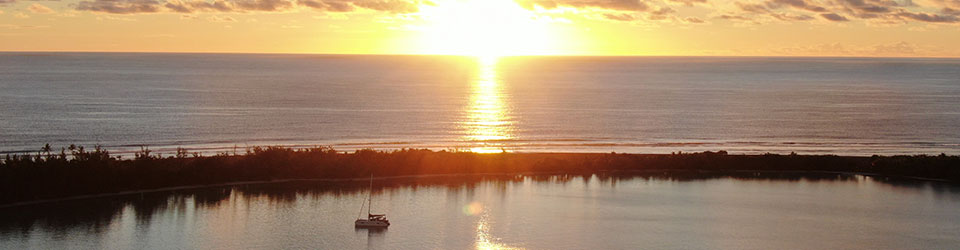
Having recovered and stretched our legs in Antofagasta, it was time to move south and explore some more. We left Friday morning after some fun with the local policies of needing a Zarpe (clearance) to move from port to port just like in the Galapagos. International vessels have a slightly different process than the local boater we befriended and helped us through the process. But alas we were free to move about the country so long as its only where are Zarpe says we can go, thus the next port and only the next port.
Forecast: Nothing much, no wind 5 knots, barely any waves of course what waves and wind there is was on the nose as we head south.
Arturo of the marina came over and helped us untie from the moorings and lead us out of the harbor and wished us a safe journey. The way in and out of the harbor is to line up the street directly to the right of the pier as you high range marker. Keeps you between the jetties and shoals on both sides outside of the break water. Super nice folks at the “Club De Yates” (Yacht club) Its their summer so kids were learning to sail/kayak/swim most of the time we were there.
With only 5 knots of wind and glassy seas, we didn’t even raise the main and just used the engines and waited till the water cleaned up and made water topping up the tanks. Few ships on the AIS screen, mostly much farther away from shore than we are. Beautiful mountains even if they are part of the desert create the coast line we were cruising down. We are heading for a place called “Caldera” supposed to be another ‘tranquil’ bay with some decent protection from the waves when they come. It looked good from the window on the airplane ride to Santiago.
Saturday was just more of the same, beautiful sunny day, glassy ocean, hardly any wind or boats just birds and sea lions and dolphins playing. Thought I saw a whale in the distance but only spotted it once so can’t confirm it.
As we don’t want to arrive at dark we slowed way down, stopped one engine and pulled the other way back just cruising along to arrive at day break. Made all the water we can use, washed the boat with fresh water and made more fresh water after that. Made some pre-cooked meals for later passages, tried some new soups we picked up in the Chilean grocery store and consumed a lot of fruits.
Back in the states I vaguely remember the packaging saying “product of Chile” – and yes, this is where those fresh fruits come from. Lots of grapes, nectarines, dried grapes (raisins), Melons, tangerines and avocados. We found the local produce market in Antofagasta so we stocked up. The bananas come from Ecuador tho.
All good here, just puttering along at 3-4 knots waiting to arrive ‘Caldera’ in the morning and go see what this town has to offer. As Antofagasta was the ‘perl of the north’ and second largest city in Chile our next stops will be in much smaller ports/cities.
Off to explore in the morning, after we check in with the authorities and let them know we are where we should be. 🙂
At 1/27/2019 @ 1:08 AM Our position: 26°35.61’S, 070°51.26’W Traveling 3.3 heading 199T
Google says we are here www.google.com/maps/place/-26.59350,-70.85433
Los Tuneles & Finada
We embarked on a boat tour today to Los Tuneles and Finada. We were fitted for shorties (the water is 22 Celsius), boarded our small boat apply named “Diana Cristina” and embarked on the 45 minute ride.

Diana Christina Boat Tours
About half way to Los Tuneles, we came across a lava vent in the middle of the ocean. Super remarkable to see this miniature island sprouting from the sea out of nowhere. Of course, plenty of blue footed boobies, frigates and other wildlife had already claimed this rock as their own.

Lava Vent in the middle of the Pacific
Los Tuneles, also known as Cabo Rosa, are a collective of geological, large lava formations. Ancient eruptions sent lava underground and they formed earth tunnels. They collapsed and gave rise to these arcs over the water where you can clearly see vegetation that comes out of the rocks. These formations range from majestic bridges, stately peaks, regal caverns, and cavernous paths.
It is absolutely one of the most breathtaking places I have ever seen. It is so hard to describe and the photos just don’t do it justice (click here to see professional pictures). The waters are pristine, sparkling blues and greens. When you look under a bridge, the light shines just so that the water blends from blues to greens.

Los Tuneles
We asked how old these formations were and our guide, Alexis Flores, V from Tunel Ocean said they make an educated guess by aging the cactus. The cactus grows a few centimeters a year making them between 1k-3,000 years old. He places the formations for which the cactus grows on to be 8k-10k years old.
Our captain expertly drove us through the narrow passageways, in and around areas we would have never thought possible and this was during mid-tide. He does this in low tide too. It was inspiring, beautiful, and awesome in every sense of the word.

Los Tuneles Paradise
Blue Foot Boobies:
Lots of wildlife inhabit this area including the super cool blue footed boobies. The older the boobie becomes, the bluer his/her feet get. When the males want to mate they use their feet in an elaborate dance to attract the females. The boobies are spectacular fisherman, they can dive from extreme heights, and plummet deep into the water to feed. However, on shore, they are pretty clumsy which led the Spanish to name them “bobo” which means “clutz, clumsy, or dummy” thus their name “boobie.”

Blue Foot Boobies
We went on a walk about across the formations to find a boobie up close and personal. They are such strange yet beautiful birds. They have very expressive eyes! We also saw their cousin the Nazca boobie which is a brilliant white bird.
Alexis had to pull us away kicking and screaming as we did not want to leave this little piece of heaven. We took a group photo and headed back to Diana Cristina.
FINADA
We found a sea sanctuary minutes away from Las Tuneles. Alexis told we had the chance to see a variety of sea creatures, but we had no idea what was in store for us. We put on our shorties, jumped in the water and set off on an incredible underwater adventure. Most of the swimming was in 1 meter of water so it was not very deep. The clarity was not spectacular, but since we were in such shallow water it did not matter.
Alexis expertly showed us the amazing wildlife roaming under the sea:
A regal 3.5-4” sea horse,

Regal Sea Horse
Dozens of enormous pacific green turtles

Pacific Green Sea Turtles
Half a dozen white tip sharks

White Tip Sharks
Golden puffer fish, sea star, sea snake, and schools of other fish

Cool Treasures of the Sea
Spotted eagle ray and a massive marble ray.

Marble Ray & Spotted Eagle Ray
We also saw a penguin swimming in the water for a split second. It was the most impressive display of wildlife we had ever seen – all within a 45 minute swim.
On the way back to Isabela, we dropped a line in the water and caught two yellow fin tuna. Our guides kept one and we made dinner with the other.
Tortoises and Birds: Galapagos
The Barkers arranged for a land tour on Isabella (via YachtGala Services). Our first stop was the Centro de Crianza de Tortguas Terrestres “Arnaldo Tupiza Chamaidan. This is a sanctuary and breeding center where their primary goal is preserving these beautiful creatures. Each island has its own version of a tortoise sanctuary with many different breeds of tortoises.
At this particular breeding center, they have over 800 tortoises and 65 of those are breeding tortoises. There are 5 species of tortoises in Isabella, but 2 only two of those species are currently breeding. Most of these tortoises are endangered.

Not so easy for tortoises to breed
The scientists rescued the tortoises from the volcanic areas. Most of the tortoises here are from the Sierra Negra Volcano.
The biggest threats to these gentle giants are rats and goats. The majority of the eggs die in the natural habitat because of these threats. So, the scientists collects the eggs, hatches them at the center, and then releases them into the wild once the tortoises are mature.
Once hatched, the babies are in cages until they are 2 years old. Then they are divided by age, region, and population and moved into small, confined habitats until they become juveniles (4-5 years old). Next, they are moved to the main population once they become teenagers. They are considered mature at age 25 and will live to be over 150 years of age.

Tortoises or Tortugas
Concha de Perla:
We enjoyed a small walk to Concha de Perla, where I dutifully blew out another flip flop. Lucky for me it was soft gravel and I was able to walk barefoot. This is a bird lovers paradise!
We saw flamingos, black neck steel birds, pintail ducks and gallenos. There are only 350 flamingos in the Galapagos so it was a real treat to see these long legged beauties.

Concha de Perla Bird Paradise
The pintail ducks have a beautiful, vibrant green strip on the inside of their wing which I happened to capture!.
After our big day, we stopped in to have lunch at the Iguana Crossing. Leave it to Matt and Diana to find the most swankiest hotel on the island. The hotel claimed to be booked, but lucky for us there were not many guests around. We enjoyed a lovely lunch before heading back into town.
Right by the dock is a beach full of sea wolves. We had a blast doing a small photo shoot.

Sea Wolves Take Over the Islands
Did you notice the marine iguana who left his imprint on the sidewalk?
What’s Next?
Don’t miss out on the next blog as we did a spectacular tour of La Tuneles with the most amazing snorkel adventure!
